When contractors outsource estimating work, the first question is usually what to ask for. "Takeoff" and "estimate" are sometimes used as if they mean the same thing. They don't, and choosing the right one saves time and money.
A quantity takeoff answers "how much?"
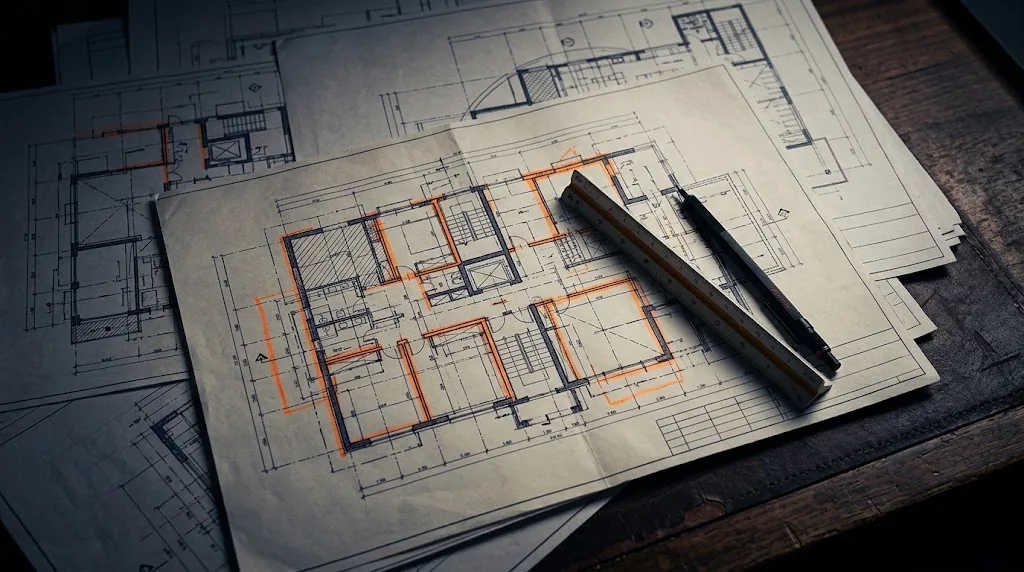
A takeoff measures the quantities shown on the drawings: square feet of drywall, linear feet of conduit, cubic yards of concrete, the number of doors and fixtures. It does not include prices. A good takeoff is organized by condition or bid item and comes with marked-up drawings so you can see exactly what was measured.
Takeoffs suit contractors who already have reliable pricing, such as their own unit costs, crew productivity, or current supplier quotes, and simply need accurate quantities to apply it to.
A cost estimate answers "how much will it cost?"
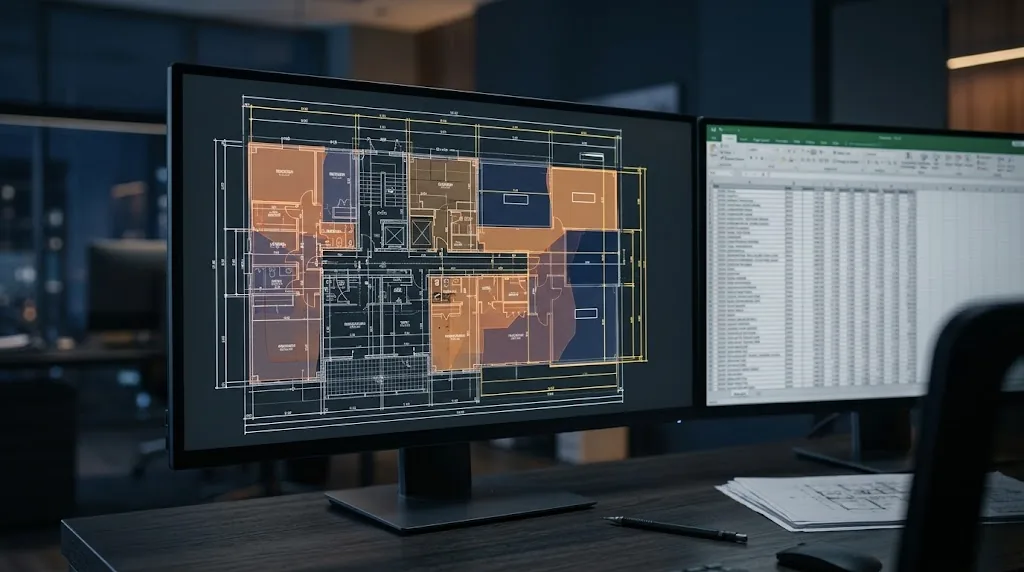
A cost estimate starts with a takeoff and adds pricing: material costs with waste, labor hours and rates, equipment, and often general conditions. It's organized into a summary, commonly by CSI MasterFormat division or trade, that can go straight into a proposal.
Estimates suit contractors who need a priced number, whether because they're bidding outside their usual market, entering a new trade, checking subcontractor numbers, or simply short on time.
What both should include
- Marked-up drawings showing what was measured
- An editable spreadsheet, not just a PDF
- A list of assumptions, exclusions, and drawing conflicts
- A consistent format you can compare across projects
How to choose
If you trust your own pricing, order a takeoff. If you need a number you can submit, order an estimate. If you need both and want them to reconcile, ask for a combined package so pricing and quantities come from the same measurements.